

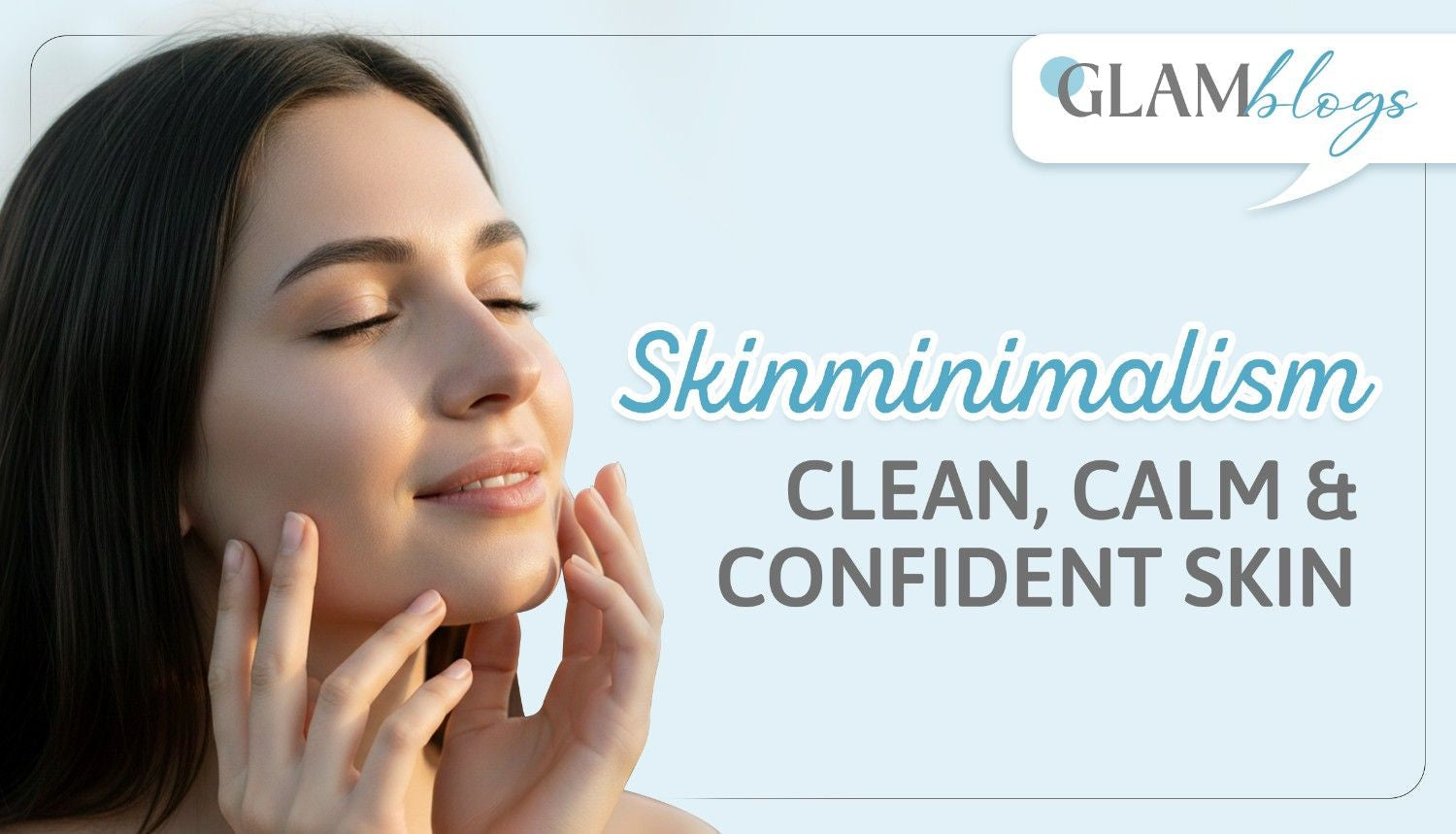
Understanding Skin Minimalism: Why Less Is More
If you’ve scrolled through beauty content recently, you’ve probably seen the term ‘skin minimalism’ pop up. It’s part of a larger shift happening in skincare and beauty where people are moving away from 10-step routines and heavily layered products toward something simpler, lighter, and honestly saner.
But skin minimalism is not just about decluttering your bathroom shelf. It’s a philosophy that connects skincare with lifestyle, sustainability, and self-acceptance. Let’s break down what it really means, why people are embracing it, and how you can practise it without feeling like you’re “doing less” for your skin.
What Is Skin minimalism?
At its core, skin minimalism is exactly what it sounds like: a minimalist approach to skincare and beauty. Instead of chasing after flawless, filtered skin with layers of serums, treatments, and makeup, it’s about focusing on fewer products, gentle routines, and realistic goals. Think of it as the skincare equivalent of a capsule wardrobe. You don’t need every new product drop. You just need a handful of carefully chosen items that work for your skin and lifestyle.
Key Principles of Skin Minimalism:
Simplicity over complexity. Fewer products, fewer steps.
- Functionality over hype: Choosing products that target your actual skin needs, not just trends.
- Skin acceptance: Embracing texture, pores, and imperfections instead of hiding them.
- Sustainability: Reducing waste, packaging, and overconsumption.
In other words, skin minimalism is not just a skincare trend; it’s a mindset shift.
Why Did Skin Minimalism Emerge?
The rise of skin minimalism didn’t happen overnight. It’s a response to a few key cultural shifts:
- The Exhaustion of Maximalism: Remember when 10-step Korean skincare routines went viral? Or when beauty influencers pushed new serums every other week? For many people, this led to cluttered vanities, drained wallets, and irritated skin. More didn’t always mean better; it often meant confusion, breakouts, and product fatigue.
- Pandemic Realities: During the lockdown years, people had more time to evaluate what they were actually putting on their faces. With social events and office commutes on pause, makeup usage dipped, and natural skin took the spotlight. This gave rise to a “less is more” approach.
- Skin Barrier Awareness: Dermatologists began emphasising the importance of the skin barrier, the outer layer that protects against pollutants and bacteria. Over-exfoliating, layering acids, or constantly trying new actives was damaging it. Minimal routines made more sense for long-term skin health.
- Eco-Consciousness: Beauty is one of the most wasteful industries, generating tonnes of plastic packaging every year. Minimalism in skincare aligns with a growing consumer desire to cut down on excess consumption.
- Mental Wellbeing: Constantly striving for “perfect skin” can create anxiety and unrealistic standards. Skin minimalism gives people permission to step back, breathe, and accept that healthy skin doesn’t have to look like an airbrushed ad.
The Philosophy Behind “Less Is More”
Here’s the thing: skincare companies profit from convincing us that we need more. Another serum for pores. Another essence for glow. Another toner for balance. But dermatologists have long maintained that skin doesn’t require a long list of products to thrive.
What skin really needs is:
- Cleansing (but not over-cleansing).
- Moisturising (to maintain the barrier).
- Sun protection (to prevent premature ageing and damage).
Everything else is optional and often marketing-driven. Skin minimalism doesn’t reject all treatments or fun products; it just places them in their right place. They’re extras, not essentials. This philosophy is liberating because it allows you to focus on consistency, not quantity.
Quality Over Quantity
Rather than accumulating products with similar effects or excessive claims, skin minimalism encourages investing in high-quality, multi-functional formulations. For example, a moisturiser with ceramides, antioxidants, and calming agents can address hydration, barrier support, and redness in one step. Well-chosen ingredients like niacinamide, panthenol, and hyaluronic acid provide broad benefits without the need for layering numerous products.
Personalization and Adaptation
Skinminimalism is not a one-size-fits-all practice; it’s about tuning into individual skin needs. The “best” routine is the one that works for the person’s unique skin type, concerns, climate, and lifestyle.
The Benefits of Skin Minimalism
Let’s go deeper into why cutting back can actually be better for your skin and your life.
- Healthier Skin: Overloading your face with multiple active ingredients, retinoids, acids, and vitamin C can cause irritation, dryness, or even worsen acne. A minimalist routine strengthens the skin barrier and reduces the risk of “product wars”.
- Saves Time: Let’s be honest: who really wants to spend 30 minutes every night on skincare? Minimal routines cut down the effort while still being effective.
- Saves Money: Fewer products mean fewer impulse buys. You invest in the essentials and stop falling into the “new launch” trap.
- Environmentally Friendly: Minimalism reduces plastic waste, chemical runoff, and overconsumption. Brands are also noticing this shift and offering refillable, multi-purpose products.
- Reduces Stress and Pressure: Instead of chasing an unrealistic “glass skin” standard, you focus on healthy, manageable skin. That mental shift is huge.
Challenges in Adopting Skin Minimalism
While the philosophy sounds freeing, shifting to it can feel uncomfortable at first. Some challenges include:
- Letting go of expensive products you’ve already bought.
- Fighting the temptation of new product launches.
- Adjusting to how your skin looks without heavy coverage.
- Unlearning the idea that “more = better”.
Like any lifestyle change, it takes time. The key is to start smallmaybe by dropping one unnecessary step or resisting one impulse purchase at a time.
How to Practice Skin Minimalism
For most people, adopting skin minimalism means committing to three or four essential steps: cleansing, moisturising, sun protection, and a targeted product only if needed. Select formulas with gentle, effective ingredients, avoiding unnecessary fragrances or harsh chemicals, to nurture the skin’s natural balance. Listening to one’s skin and making adjustments based on the season or changes in skin condition are also central to this approach.
So, how do you go from a cluttered shelf to a minimalist routine without feeling like you’re neglecting your skin?
- Step 1: Audit Your Products
Take everything out. Look at what you have. You’ll probably find duplicates, half-used bottles, or products you bought on impulse. Identify what actually works for your skin and what’s just hype.
- Step 2: Build a Core Routine
A minimalist skincare routine usually has 3–4 steps max:
- Gentle Cleanser – Removes dirt and makeup without stripping.
- Moisturiser – Locks in hydration and protects the barrier.
- Sunscreen (daytime) – Non-negotiable.
- Targeted Treatment (Optional) – If you have a specific concern like acne or hyperpigmentation, use one trusted treatment instead of layering multiple actives.
- Step 3: Choose multi-Taskers
Instead of five different serums, look for products that do more than one thing. For example:
- A moisturiser with niacinamide for hydration and barrier repair.
- A tinted sunscreen that doubles as light coverage makeup.
- A cleansing balm that removes makeup and nourishes.
- Step 4: Be Consistent
The biggest myth is that more products = faster results. In reality, consistency with a simple, effective routine delivers healthier skin long-term.
- Step 5: Embrace Natural Skin
This is the mindset shift. Skin has texture, pores, scars, and uneven tones. Skin minimalism encourages you to accept that as normal, instead of constantly trying to “fix” it.
How to Build a Minimalist Skincare Routine
Adopting skin minimalism is straightforward once the basic principles are understood. Here’s a step-by-step guide:
- Know Your Skin: Before cutting back, assess skin type (normal, oily, dry, combination, sensitive) and primary concerns (acne, ageing, pigmentation, etc.). This ensures each remaining product serves a real purpose for the skin.
- Declutter and Reevaluate: Audit the current routine. Remove products with overlapping benefits, unused items, or those that cause irritation. Keep only what is necessary and truly effective.
- Simplify Cleansing: A gentle cleanser (ideally sulphate-free and pH-balanced) removes impurities and keeps the skin fresh. Most people need to cleanse twice a day, while some with very dry or sensitive skin may only need a night cleanse.
- Moisturise Wisely: A well-formulated moisturiser suitable for the skin type is essential. Minimalists may choose a multi-use product (e.g., an all-in-one moisturiser and primer).
- Never Skip Sunscreen: Daily sunscreen application (SPF 30 or higher) is critical, even on cloudy days. Many minimalist routines use lightweight, broad-spectrum sunscreens that don’t clog pores or leave a white cast.
- Target Only When Needed: If required, add one targeted serum or treatment, like a niacinamide serum for oil control or a vitamin C serum for brightening. Avoid mixing too many actives, which can irritate the skin.
- Adapt With the Seasons: Skin needs change based on weather, age, hormones, and other factors. Minimalism is flexible: adjust the products as necessary, but keep the core routine compact.
Skin Minimalism in Makeup
Skin minimalism isn’t just for skincare; it’s influencing makeup trends, too. Instead of full-coverage foundations and heavy contouring, more people are leaning toward lightweight tints, cream blushes, and products that let skin texture show through. It’s about enhancing features rather than masking them. That fresh, “no makeup” makeup look is essentially skin minimalism in action.
Myths and Misconceptions About Skin Minimalism
- Myth 1: More Products Mean Better Results
Many people believe that adding more products ensures better skin. In reality, important results come from consistency and choosing the right products rather than piling on actives, which can backfire.
- Myth 2: Minimal Routines Are Neglectful
Minimalism is about optimising, not skipping skincare. It prioritises quality and intent over volume and hype.
- Myth 3: It’s Only for “Good Skin Genetics”
All skin types can benefit from a tailored, less-is-more routine. In fact, those with sensitive or problematic skin often see the biggest improvements.
The Role of Brands in the Skin Minimalism Movement
As consumers simplify, brands are catching on. Some are now offering:
- Multi-purpose products (like moisturisers with SPF or hybrid serums).
- Refillable packaging is also available to minimise waste.
- Gentle, dermatologist-backed formulations instead of overhyped actives.
But here’s the catch: brands may also repackage minimalism as just another trend, pushing you to buy “minimalist-approved” products. Real skin minimalism isn’t about buying into a new aesthetic; it’s about buying less, period.
Cultural Shifts Around Beauty and Skin
Skin minimalism ties into larger cultural conversations around body positivity and authenticity. Social media filters once created a distorted idea of “perfect” skin. But Gen Z, especially, is pushing back. They’re more vocal about acne positivity, showing bare skin, and rejecting unrealistic beauty ideals.
This movement is less about fixing and more about accepting. It’s a rejection of beauty as performance and a celebration of skin as skin.
The Psychological Impact
Experiencing “skin freedom”, moving away from the mask of heavy foundation or routine overload, can have a liberating effect. Many skin minimalists report higher self-esteem, less skincare anxiety, and more enjoyment in their daily rituals. The movement values authenticity over perfection, which resonates deeply in today’s age of social media filters and unattainable standards
Conclusion
At first glance, skin minimalism might look like just another beauty trend. But dig deeper, and it reflects something bigger: a cultural push toward authenticity, sustainability, and mental well-being. By paring back, you’re not neglecting your skin; you’re respecting it. You’re cutting through the noise of marketing and focusing on what really matters: a healthy barrier, protection from the sun, and a mindset that embraces natural skin.
Less isn’t just more in skincare. It’s often better.



Leave a comment
This site is protected by hCaptcha and the hCaptcha Privacy Policy and Terms of Service apply.